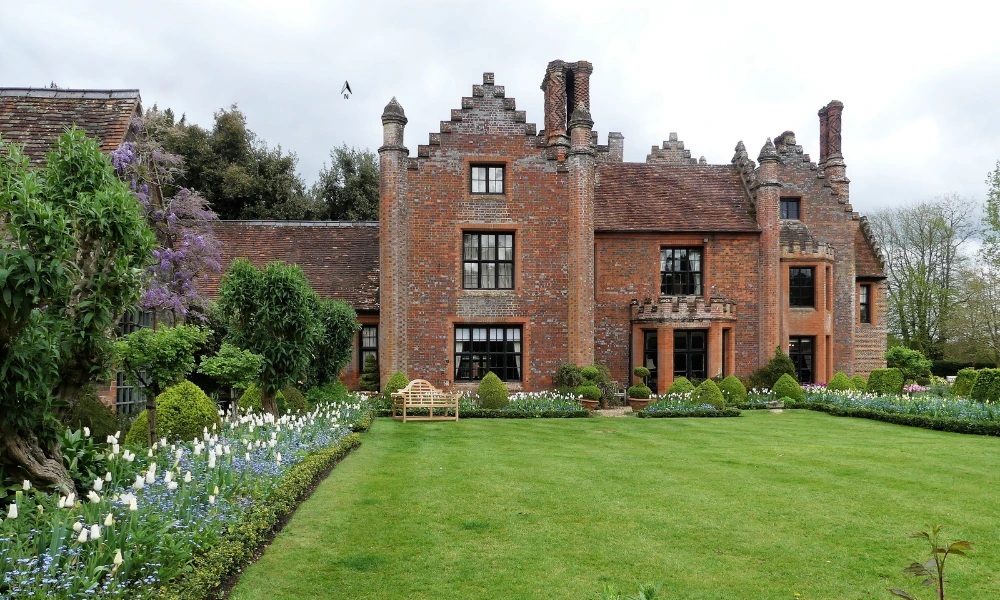
For many years, the UK's historic buildings have been both a delight and a headache for the property sector.
From the Georgian terraces of Bath and Guildford to the medieval and Gothicarchitecture of Oxford, listed buildings provide a link to our past and also have an important role to play in our future.
Anyone who has dealt with the refurbishment of a heritage building will know the pitfalls of trying to modernise and improve energy efficiency ratings. Strict guidance has traditionally limited what is acceptable in the balance between retaining original features and bringing properties up to 21st century standards of efficiency.
But all that could be about to change.
New guidance on the cards?
New guidance surrounding listed buildings is expected to allow the installation of energy efficiency measures that until now have been met with resounding refusal.
No major legislative changes have yet been confirmed, but industry guidance suggests a shift towards a more pragmatic approach to improving the energy performance of listed buildings.
Measures such as secondary glazing, slim-profile double glazing, appropriate insulation, heat pumps and even some solar installations are increasingly being recognised as compatible with heritage objectives when sensitively designed.
For owners of listed buildings in historic locations, clearer guidance could help remove some of the uncertainty for planners and developers.
Why now?
It has certainly taken a long time to get to this stage. The biggest driver for these changes is the growing recognition that historic and listed buildings have an important role to play in reducing carbon emissions.
Whilst preserving heritage assets remains a priority, there is increasing acceptance that many older buildings need to be adapted if they are to remain viable, comfortable and sustainable places to live and work.
Will we see wholesale changes?
It’s unlikely that new guidance will cause a seismic shift, but it will open up new opportunities for property owners. Installing energy-efficient measures will help to reduce bills (attractive for both owners and tenants) and will serve as a practicallong-term investment.
There is likely to be a steady shift away from the ‘use heavy curtains’ advice, and over the coming years we will hopefully see the sensitive refurbishment of many heritage properties closer to 21st century standards.
What happens next?
For now, the industry is waiting for greater clarity from Government. Recent guidance from Historic England suggests a new approach to retrofit and energy efficiency improvements, but at this point there is no indication that listed building controls will be completely rewritten.
The most likely outcome is a continued move towards clearer guidance and more consistent decision-making.
For owners of listed buildings, developers and heritage consultants, the key message is that sustainability and conservation no longer need to be seen as competing objectives. The challenge moving forward will be finding solutions that successfully balance both.
Ultimately, the success of any new guidance will depend on how consistently it is applied by LPAs and conservation officers across the country.
Will planning permission still be needed?
Importantly, any move towards greater flexibility is unlikely to remove the need for planning permission or listed building consent altogether.
Whilst measures such as secondary glazing, slim-profile double glazing and sensitive insulation are receiving greater support, proposals affecting listed buildings will still need to be assessed on a case-by-case basis, with careful consideration given to their impact on historic significance.
In practice, this means property owners are more likely to benefit from clearer guidance and a more pragmatic approach to decision-making, rather than a wholesale relaxation of heritage protections. Well-designed schemes that balance sustainability and conservation objectives may therefore find a more receptive audience than in the past.
“The UK has an extraordinary wealth of historic buildings, but as we move towards a cleaner, greener future, we cannot ignore the challenge of making them more energy efficient.
“Many historic buildings are expensive and energy-intensive to heat, often because of poor insulation, traditional glazing and draughts. Sensible flexibility around measures such as insulation, glazing and solar panels could make a significant difference, while still protecting the heritage value that makes these buildings special.
“This is not about weakening heritage protection. It is about allowing historic buildings to evolve so they remain viable, useful and well cared for in the centuries to come.
“For owners and developers, greater flexibility should give more confidence to invest in heritage assets and future-proof them. We expect to be at the forefront of testing this new approach through relevant planning applications, helping clients bring forward sensitive schemes that improve energy performance while respecting the significance of historic buildings.”
Andrew Metcalfe, Managing Director
Get in touch
If you have a project for a listed building or for a development within a Conservation Area, the team at Squires Planning can help.
Get in touch today for a no-obligation chat.