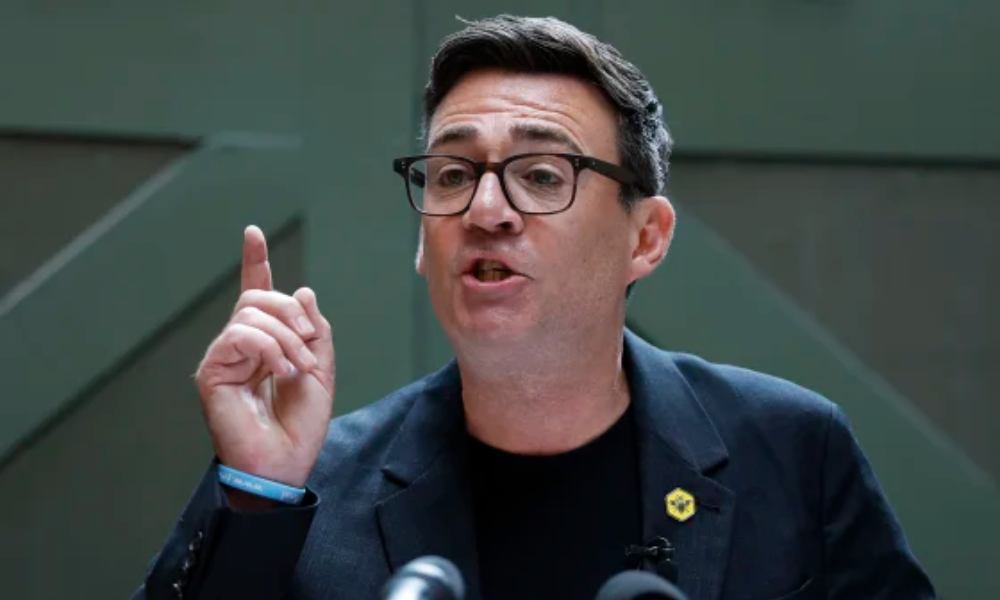
Talk of devolution naturally lends itself to a shake-up of the existing rules, so what could this mean for the planning system?
A new model of Government
At the core of Andy Burnham’s approach is the decentralisation of power, moving away from Whitehall’s wide influence and giving more decision-making strength to local regions. The thinking is that the UK faces unique challenges specific to regions, and so a devolved approach will allow authorities to address the needs of an area rather than be dictated to under a one-size-fits-all approach.
The aim would be to accelerate the delivery of both social and commercial housing, co-ordinate regeneration at a local level and bring decision-making closer to local communities.
One important consideration is that rather than simply devolving powers, Burnham appears to be advocating for devolved institutions capable of delivering development directly. How this will work in practice remains to be seen, but it could open up opportunities for important developments that communities want and need.
How could this change the current planning system?
The devil is in the detail, but Burnham's ideas suggest planning could become increasingly regionally led.
Currently, central government sets the national planning framework, while Local Planning Authorities establish local planning policies and determine planning applications.
With devolved powers, regional authorities (for example, the West of England Combined Authority, Sussex and Brighton Combined County Authority or the proposed Thames Valley Mayoral Strategic Authority) could gain greater influence over housing targets, land allocation, infrastructure investment and regeneration priorities.
The role of LPAs would not only be to determine applications – they will also have an important influence on regional policy, helping to shape the future of regions from a localised standpoint.
More regional mayors?
One area likely to see change is the role of combined authorities and metro mayors.
Andy Burnham is likely to point to the successes of the Greater Manchester Combined Authority, which has already demonstrated how strategic planning can operate across local authority boundaries.
A Burnham-led Government could well seek to replicate this model elsewhere, giving regional leaders greater influence over housing, infrastructure and regeneration priorities.
Council housing back on the agenda
Housing is at the heart of Andy Burnham's vision for national renewal. He has pledged to deliver the biggest council house-building programme since the post-war period, positioning social housing as a central tool for improving living standards and tackling affordability challenges.
Under his Government, we could expect to see greater use of vacant public land to reduce development costs alongside increased support for regeneration in towns and urban centres.
Burnham's approach could involve a greater role for councils and publicly owned bodies in bringing forward development, rather than relying predominantly on the private sector.
Influence vs inconsistency
For planning professionals, increased local influence could help decision-makers respond more effectively to regional priorities, accelerate regeneration projects and improve coordination between housing and infrastructure delivery.
However, with devolution of power comes inevitable questions around consistency of delivery. We could see massive variation across England in the way housing, development and infrastructure need is addressed.
What should the sector watch next?
While it remains unclear exactly how Andy Burnham's proposals would translate into national policy, under his Government, devolved powers look likely.
If a future government embraces the principles behind ‘Manchesterism’ and Number 10 North, the planning sector could see a significant shift towards regional decision-making, publicly led delivery and a renewed focus on council housing.
“At this stage there is inevitable speculation around the next Prime Minister, and if Andy Burnham gets the job the planning sector needs to be ready to ride the wave of devolution.
“Whilst housing has long been a priority for the Labour Government, clearly for Andy Burnham there needs to be more progress, and we can take an educated guess that more regional influence will have the key to unlocking suitable sites for private, and increasingly public, sector development.
“Whichever way the political wind prevails, planners need to keep their fingers on the pulse and look ahead. With any new Government comes new opportunities, and landowners and developers need to be ready to act on them.”
Andrew Metcalfe, Managing Director
Get in touch
If you have questions about what devolved powers could mean for your project in the future, our team at Squires Planning are here to help.
Get in touch today for a no-obligation chat.